About
Your company should not
stop when you do.
David Perez, Founder of Castalin
Operations as a Service for home service and trade companies doing $1M+.
Most of what I do is take the part of your week you stopped trying to fix, the part that is just how it goes, and break it into steps with a name and a date on each one. Work that feels too big to fix is almost never too big. It is undivided.

About the company
What I saw
that made me build it.
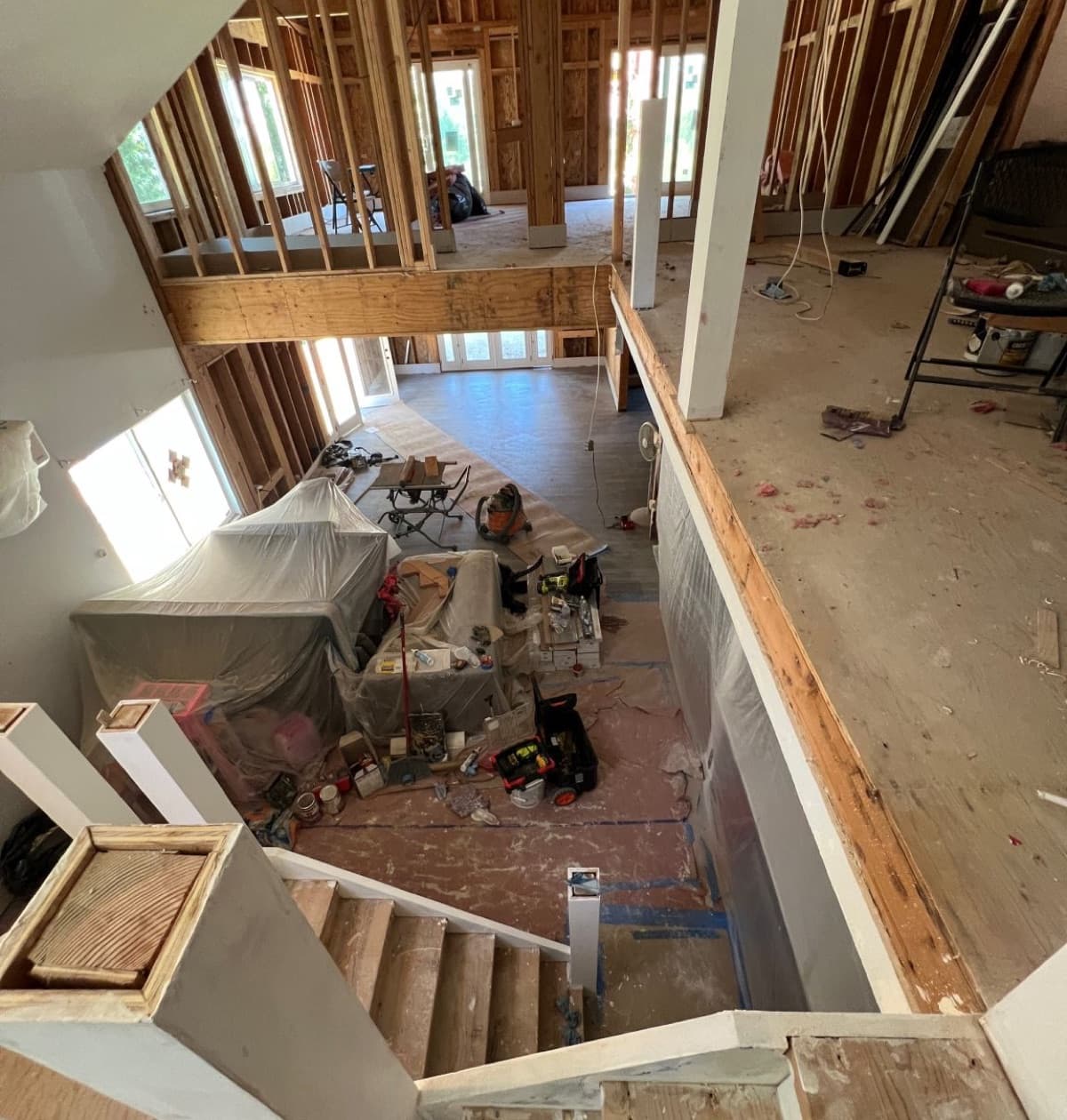
I got invited onto a live remodel to watch a normal day. Within an hour I had stopped watching the work and started counting the waiting. A carpenter would finish something, then start a smaller job he did not need to do yet, because the next decision belonged to the owner and the owner was on another site.
Every decision went through one person. That is not a people problem. Nothing in the business said who owned what, by when, so they paid twice: in hours nobody could bill, and in a finish date that kept moving.
The owner had already been sold the other version of this. There is always a platform, an AI layer bolted onto a process nobody has ever written down, and a retainer that starts the month the contract is signed. It automates the mess rather than removing it, and now the mess renews annually. I would rather get good at the manual version first and only build what survives that.
So I told them where I would start: name every role, own every task, put the dates where the crew can see them. Do that and the owner stops being the bottleneck. The ceiling was never the crew. It was one person’s inbox.
I could have fixed that one job. That would have been a favour. I wanted to build the systems that stop it happening in the first place.
About me
What earns the right
to tell a contractor how his week should run.
I did not come out of construction. I needed an industry that had solved coordination, and two people pointed me at manufacturing: my father, thirty years in electronics, and a man I met over coffee who owned a plant in town. I have never worked a floor myself. I took the method from their experience, and from NASA’s public systems engineering handbook.
So for the first company that let me try, I built something plain: one system every lead fed into. A business line routed each call by who was asked for; the ad accounts, social inboxes, email and website all reported to the same place. Every contact carried a status, a clock, and why it died.
One review cycle later, the losses had collapsed into the same short list of objections, and every one of them pointed back at how his own week was built. His market had never been the problem, and I never had to say so out loud. A number a man collected himself is the only kind he cannot argue with.
My formal training in process modeling is from SAP. The rest I learned in the field.
What I believe
Four rules that decide what gets built, and in what order.
Every engagement runs the same three steps, Map, Identify, Deploy, and these four rules govern what happens inside them. They are why two companies with the same problem get different builds, and why some of what an owner asks for on the first call never gets built at all.
Map first, always.
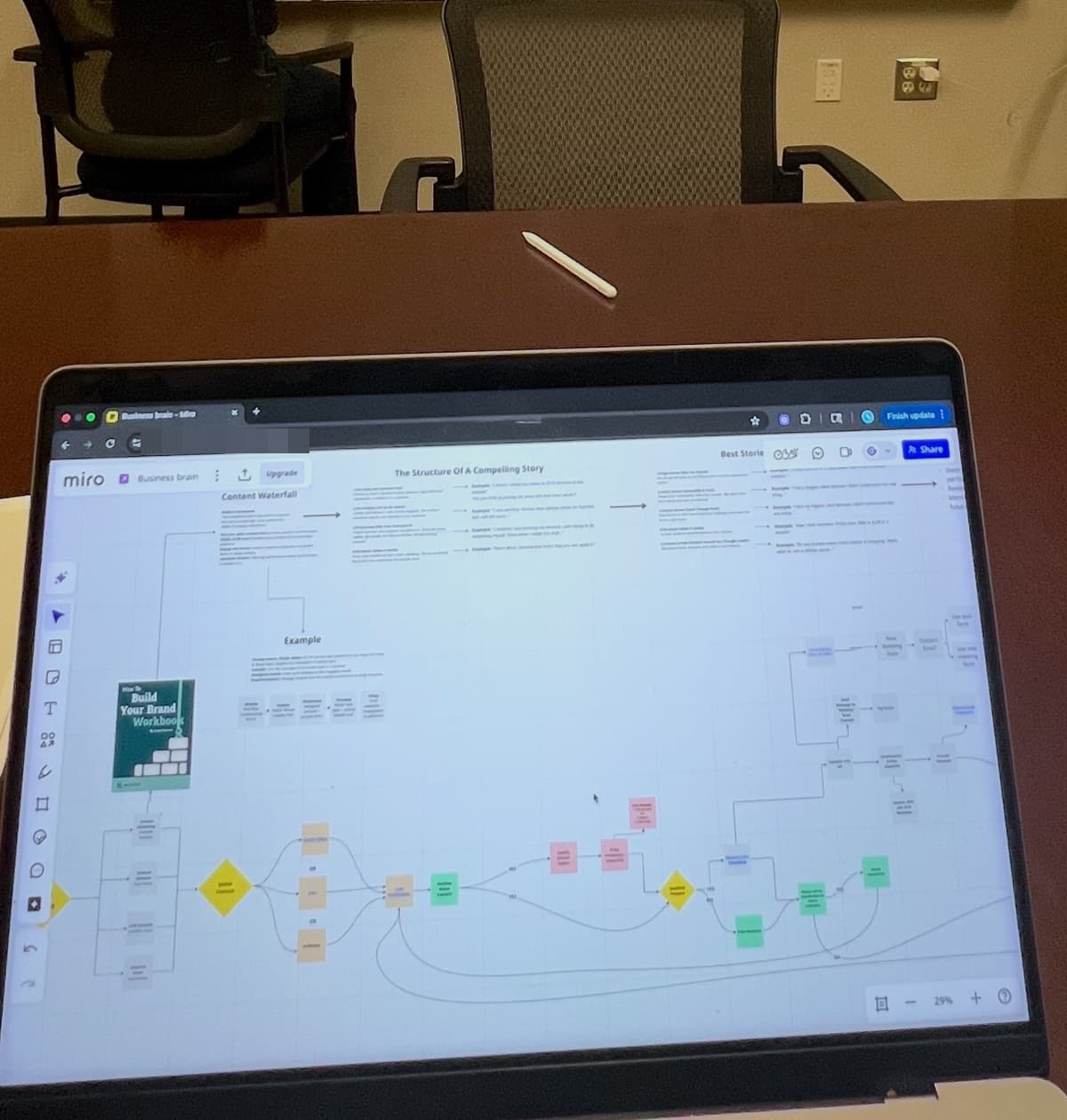
Automation without architecture is digital clutter. Nothing gets built until the operation is drawn end to end: every role, every handoff, every point where a job changes hands and something can be dropped. The map is also the only version of the business that does not walk out of the door when a long-serving employee does.
Optimization before automation.
A bad process done by hand is slow in one place. The same bad process automated is slow in fifty places at once, and now nobody remembers why it runs that way. Steps get removed, straightened and stabilised first. Only what survives that gets built.
No SaaS glue.
Ten or fifteen tools wired end to end reaches a ceiling. Data splits into boxes that do not reconcile, every new requirement costs another subscription, and the whole arrangement is one vendor decision away from breaking. What a company already runs earns its place if it works and can be reached: those tools stay, and get built around. The ceiling comes from the chain being the whole system rather than a part of it. I build one the company owns and scales on, rather than renting a chain of them.
The Owner Time rule.
Return is measured in direct profit, or in hours handed back to the owner personally. Time saved somewhere in the team counts only when it unlocks capacity you can actually sell or takes load off the person managing everyone else. Everything else is a number that reads well in a report and changes nothing.
Fit
Who I take on, and who I send away.
Three answers are always no, and they are printed here rather than discovered on a call, because a page that will not say who it is wrong for is not telling you much about who it is right for either.
No sales reps.
There has to be someone whose actual job is selling. The system gets built around reps working inside it; with nobody in that seat there is nothing to build around.
Under $1M in revenue.
Below roughly a million, the gaps are usually narrow enough that tightening the process by hand closes more of them than a build would.
Fewer than six employees.
At that headcount the coordination problem I solve has not shown up yet. It will, and there is nothing worth building until it does.
The third one costs me work, and it stays on the page.
Under six people the coordination problem has not arrived yet. What moves your numbers at that size is a single agreed owner for every inbound call and somebody making sure it sticks, not a system and not me. I would rather you read that here, for free, than pay me to arrive at it together six months from now. A no today costs you nothing. A yes from someone who should have said no costs you a year.
What actually qualifies you is how many things have to line up.
Revenue on its own qualifies nobody. The work is worth doing where a single job touches departments, subcontractors, permits, contracts, equipment, crews and somebody’s liability. The more hands a job passes through before it is finished, the more there is to fix. Construction is the clearest version of it. At the same revenue, a simple business is a worse fit than a complicated one, which is why the first question is how many things have to be coordinated for one job to complete, and not what you bill in a year.
The work itself
What it actually looks like while it is being done.
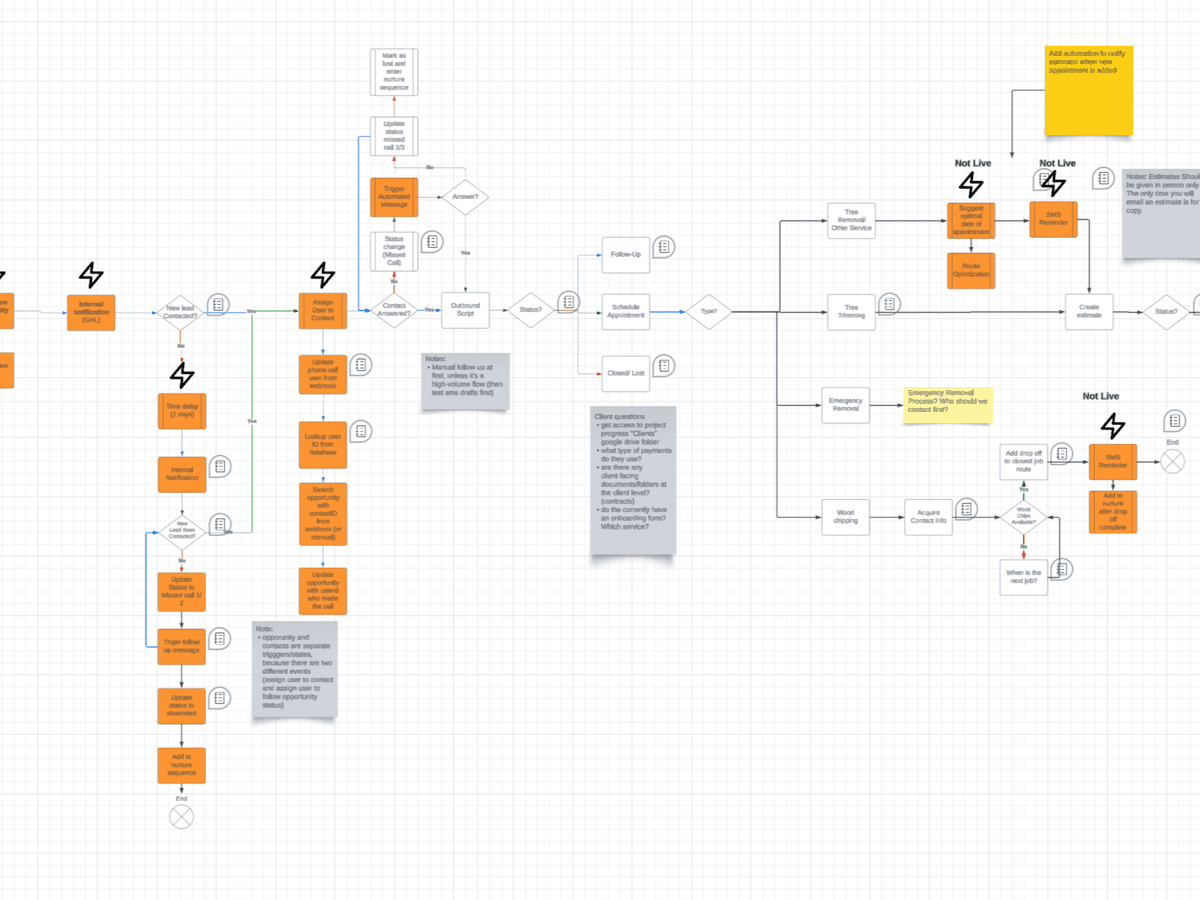
Most of an engagement is unglamorous and none of it is a slide deck. It is a map of how work moves through the company today, a prototype the team clicks through before anything is built, and then the tracking that says whether any of it worked.
The process map
The clickable prototype
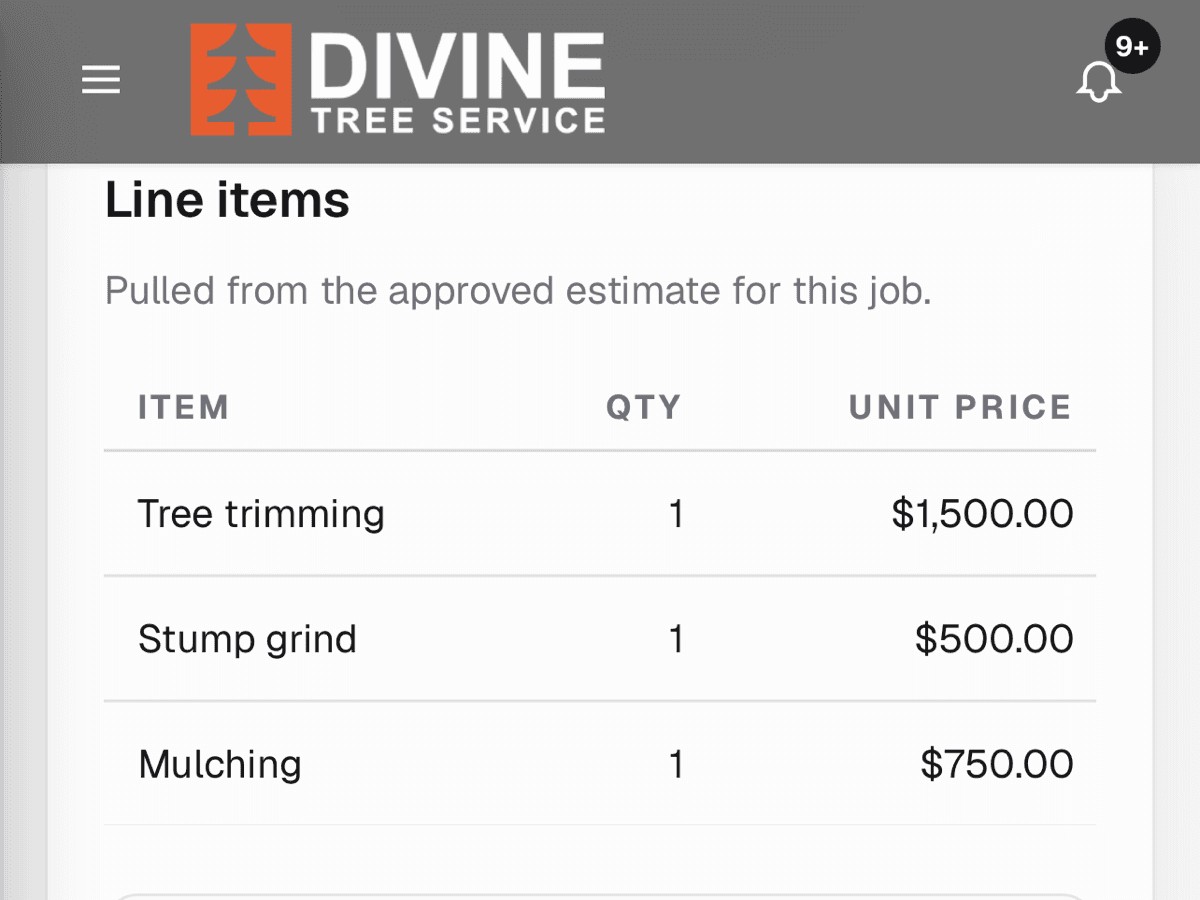
Live tracking
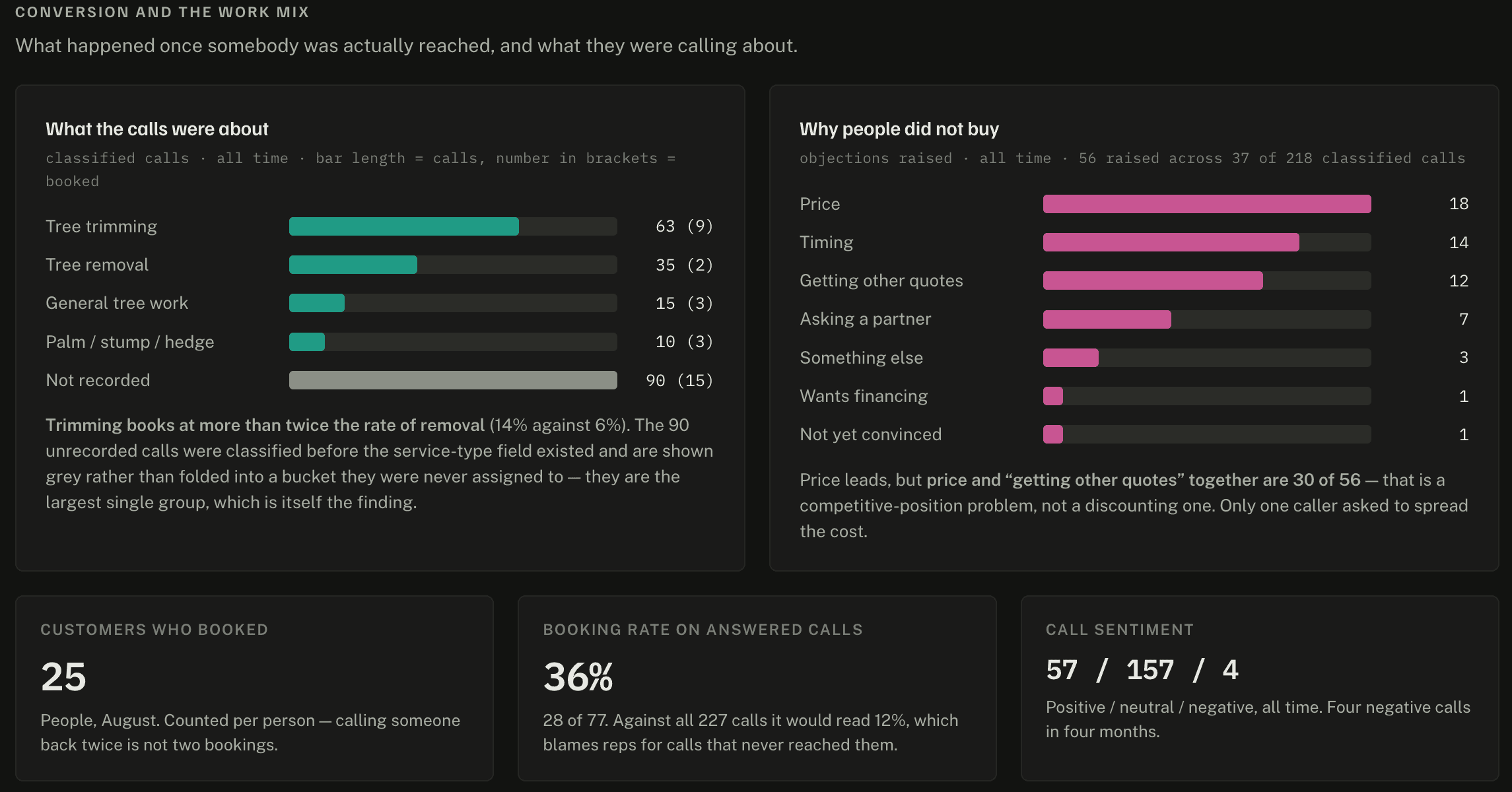
That tracking is from Divine Tree Service in Sacramento. Six weeks from first call to fully live. In their first full month running it, $54,155 of work closed, and every one of those jobs came off a lead the company already had. Nothing was bought and nothing was added. The whole gain came from catching what the phone had already delivered.
The first step
Walk me through one job. Keep the map either way.
The ops audit runs about forty-five minutes and costs nothing. There is nothing to prepare beforehand, no deck to sit through, and nobody demonstrating software at you. You pick one job and I follow it the whole way: the phone ringing, whoever picks it up, the quote, the schedule, the crew, the invoice clearing and by the end I can point at the three places work is dropping out of it.
The map is yours either way. It does not depend on you hiring me, and nothing is attached to it.
Get my free ops auditSix questions, about two minutes.